

Genpharm and the Saudi Society for Dermatology forge a Strategic partnership to enhance dermatological care in Saudi Arabia


- The partnership aims to advance patient care and dermatological standards in the Kingdom.
- The partnership will focus on increasing awareness of dermatological diseases through ongoing medical education.
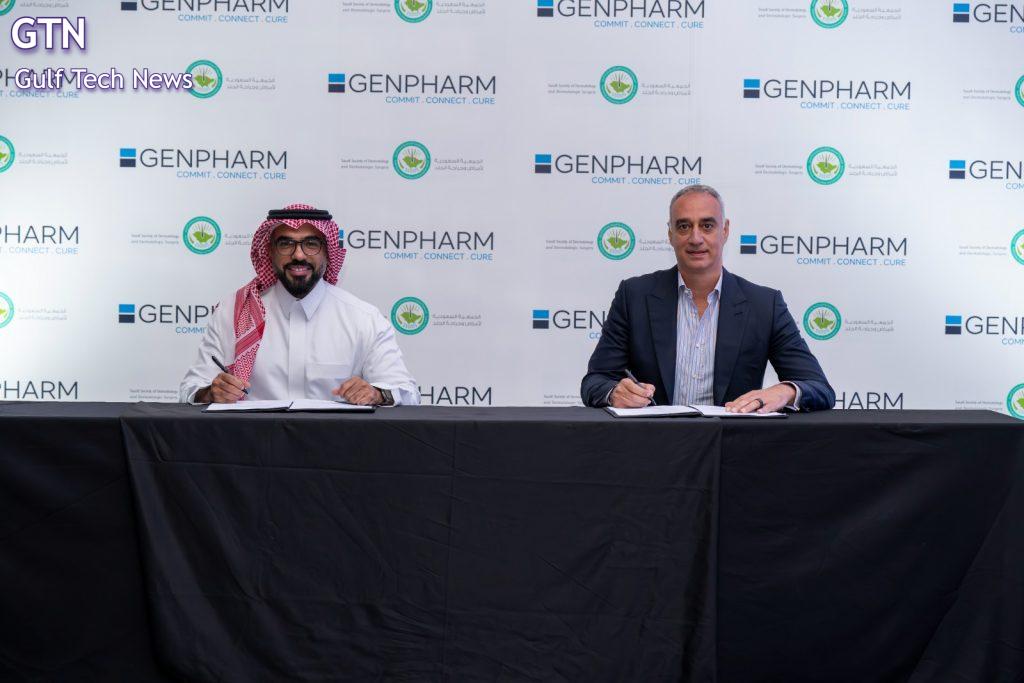
- A signing ceremony was held and attended by over 150 healthcare professionals and esteemed guests.
- The event marked the launch of Adtralza®, a new treatment for atopic dermatitis, into the Saudi market.
Genpharm, a GCC-based pharmaceutical company and leader in market access across the Middle East, North Africa and Turkey, and the Saudi Society for Dermatology and Dermatological Surgery (SSDDS), have announced a strategic partnership aimed at advancing dermatological healthcare in Saudi Arabia.
The partnership will benefit both patients and healthcare providers alike. It will focus on implementing Continuing Medical Education (CME) activities for healthcare professionals, improving patient care, and introducing innovative treatments.
A signing ceremony was held at the Narcissus The Royal Hotel in Riyadh, and was attended by over 150 healthcare professionals, including prominent international and local key opinion leaders in dermatology. The presence of Denmark’s Ambassador to Saudi Arabia, Her Excellency Liselotte Plesner,highlighted the significance of this collaboration.
Karim Smaira, CEO & Co-founder of Genpharm, emphasized the significance of the partnership, stating, “Our partnership with SSDDS marks a significant step towards enhancing dermatological care in Saudi Arabia.
We are committed to improving patient outcomes and supporting healthcare professionals with the latest advancements in treatment. Our continuous educational efforts will ensure that healthcare providers are well-equipped to offer optimized treatment to their patients.”
The event also marked Genpharm’s launch of Adtralza®, an innovative treatment for moderate to severe atopic dermatitis developed by LEO Pharma, into the Saudi market. The introduction of Adtralza® marks an innovation in atopic dermatitis therapy in Saudi Arabia, potentially improving the quality of life for those suffering from the condition.
Dr. Ruaa Al Harithy, Vice President of SSDDS, highlighted the organization’s dedication to advancing dermatology, saying, “The Saudi Society of Dermatology and Dermatologic Surgery (SSDDS), a leading organization dedicated to the advancement of dermatology in the Kingdom of Saudi Arabia, is proud to highlight its ongoing commitment to the medical field and its growing partnerships with key industry players.
Through education, research, and clinical excellence, the SSDDS has been at the forefront of advancing dermatological practices in the region and improving patient outcomes.
As the premier professional body for dermatologists in Saudi Arabia, the SSDDS provides a platform for the dissemination of scientific knowledge and fosters collaboration among healthcare professionals, researchers, and industry leaders.
The Society supports continuous medical education, organizes conferences, and provides specialized training, ensuring that members stay at the cutting edge of dermatology practices and innovations in dermatologic surgery.
The SSDDS also plays an integral role in promoting public awareness about skin health, advocating for early recognition of skin diseases, and ensuring that the public has access to the most advanced, evidence-based dermatological treatments available.
In its continuous effort to enhance the quality of dermatological care, the Saudi Society of Dermatology and Dermatologic Surgery is pleased to announce an important partnership with Genpharm, a leader in the pharmaceutical industry.
This collaboration underscores the SSDDS’s commitment to fostering relationships with trusted industry partners who share a common goal of improving healthcare outcomes.
Genpharm, with its extensive portfolio of dermatology-focused products and expertise in cutting-edge pharmaceutical developments, aligns with the SSDDS’s mission to provide the highest quality dermatological care.
Together, they aim to push the boundaries of skin health, offering innovative treatments, advancing research, and delivering enhanced patient care across Saudi Arabia.”
Dr. Abdullah Al Aqeel, President of SSDDS, expressed enthusiasm about the collaboration, noting, “We are excited about the opportunities that this partnership with Genpharm will bring. This collaboration strengthens our shared commitment to advancing skin health through innovation, education, and research.
The partnership will involve both entities working closely on various initiatives, including clinical trials, the development of new treatment modalities, and the organization of educational events for healthcare professionals.
Furthermore, through this collaboration, the SSDDS aims to ensure that Saudi patients have access to the latest dermatological advancements and benefit from the highest standards of care.
As the Saudi Society of Dermatology and Dermatologic Surgery continues to grow and evolve, it remains dedicated to its mission of promoting excellence in dermatological care and advancing the practice of dermatology in the Kingdom. The SSDDS looks forward to the positive impact of its partnership with Genpharm.”
Dr. Issam R. Hamadah, Consultant Dermatologist at King Faisal Specialist Hospital & Research Centre, remarked, “I am pleased that pharmaceutical companies are pursuing therapeutic solutions for common dermatologic diseases, which have high impact on those afflicted, their families, and society in general. Having new medications like Adtralza will be quite beneficial to all.”
Combined with the introduction of Adtralza® in the Kingdom, the partnership highlights Genpharm and SSDDS’ dedication to improving patient care and healthcare outcomes through innovative treatments and continuous medical education.