
Al Qasimia University Concludes Its 10th International Conference; Research Paper Examines Gulf Tech News Model on AUC Partnership

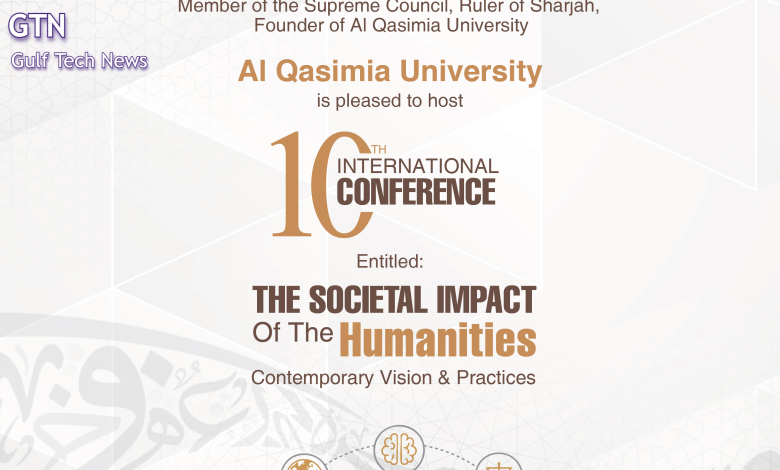
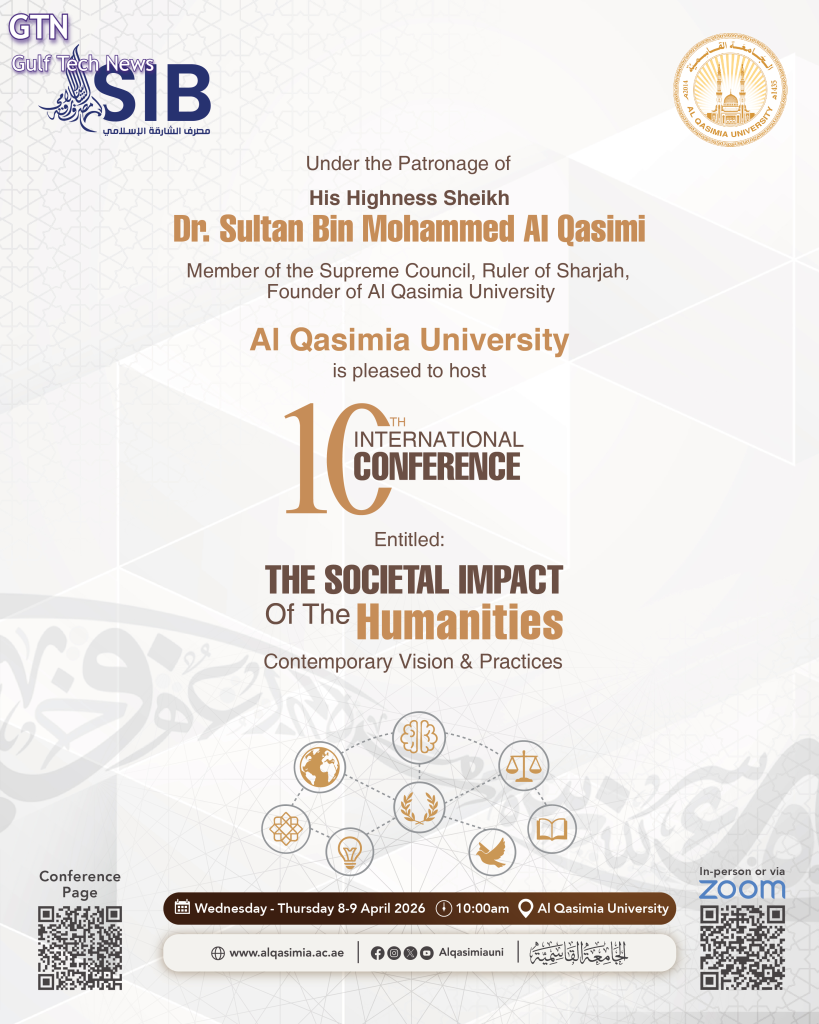
Sharjah — Al Qasimia University concluded on Friday evening the activities of its 10th International Conference, held under the theme “The Societal Impact of the Humanities: Contemporary Visions and Practices,” under the patronage of His Highness Sheikh Dr. Sultan bin Mohammed Al Qasimi, Supreme Council Member, Ruler of Sharjah, and Founder of Al Qasimia University.
Over the course of two days, the conference hosted academic sessions and research discussions that brought together scholars and researchers from a range of institutions to explore the evolving role of the humanities in shaping awareness, refining discourse, and strengthening social cohesion.
Humanities at the Heart of Social and Media Transformation
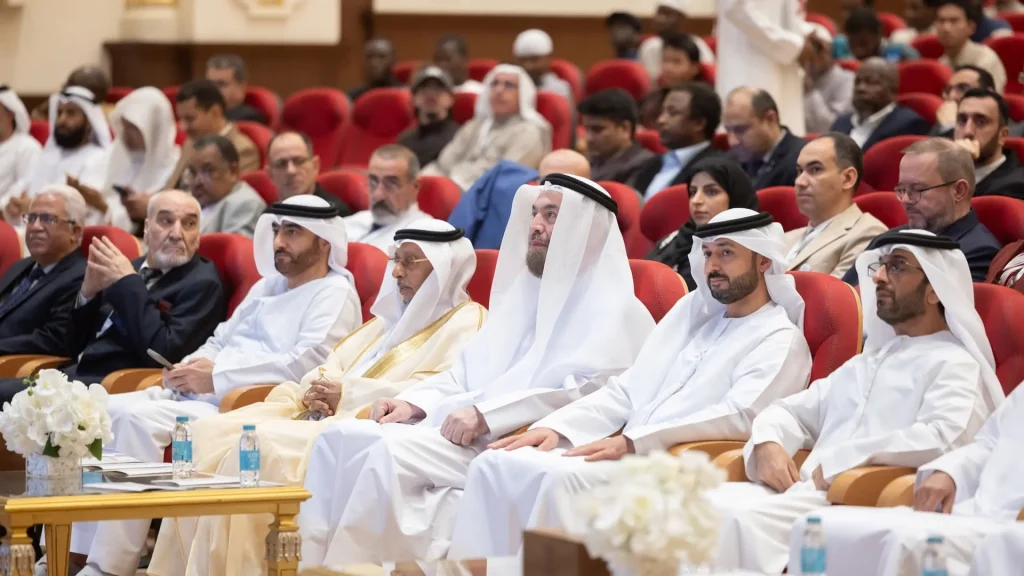
In its 10th edition, the conference presented a clear vision of the humanities as an active partner in serving society, rather than a group of theoretical disciplines isolated from real-life concerns. Its themes focused on the relationship between humanistic knowledge and cultural, intellectual, social, and media needs, while highlighting the humanities’ role in promoting coexistence, openness, and conscious development.
The conference also paid particular attention to media and communication studies, especially in terms of developing the language of media discourse to reflect shifts in audience behavior within the digital environment, while ensuring that media messages remain clear, influential, and responsible.
Research Paper Tracks Shifts in Arabic Media Language in the Digital Age
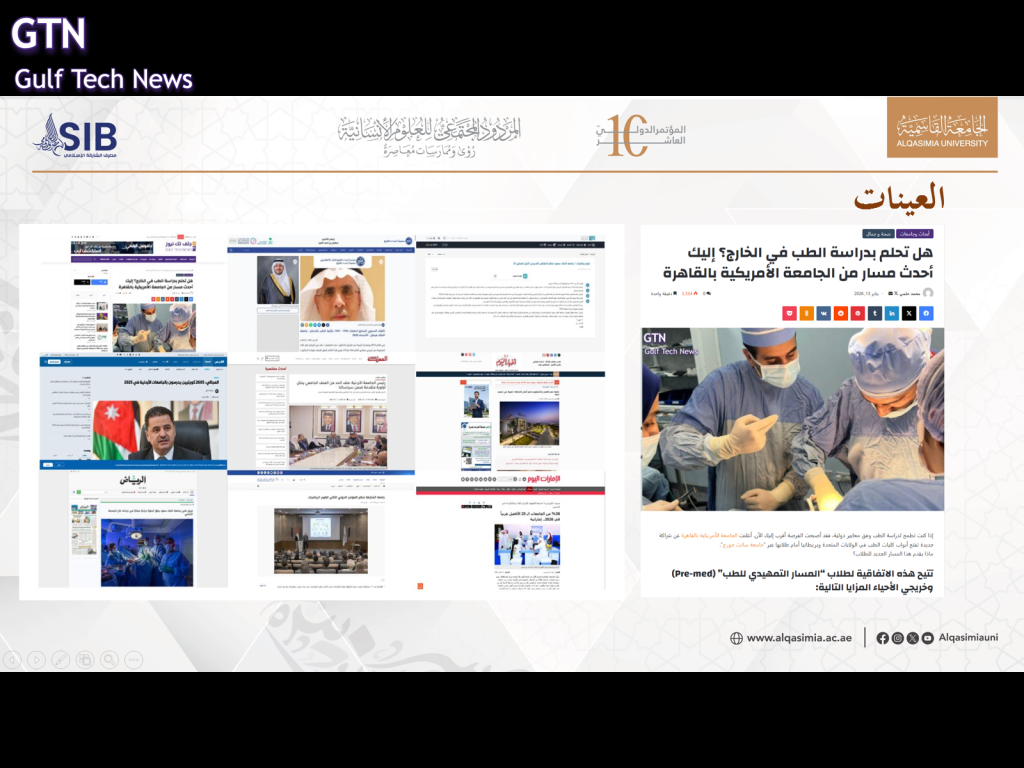
Among the papers presented during the conference, one study drew particular attention. Titled:
“Updating Media Discourse Language in the Digital Age to Enhance Collective Awareness: Toward an Applied Model of Responsible Language”
the paper was presented by journalist Salman bin Ahmed Al Eid, Editor-in-Chief of Asdaa Al Khaleej newspaper.
In his study, Al Eid offered an applied critical reading of transformations in Arabic media language in the digital era, based on the central premise that media language is no longer merely a vehicle for delivering information, but has become a powerful factor in shaping collective awareness, especially in a landscape defined by rapid circulation, the attention economy, and growing sensitivity to published messages.
The study adopted a qualitative critical methodology, analyzing a purposive sample of 10 Arabic media texts published in 2025 and 2026. It used indicators linked to accuracy, attribution, framing, tone, audience respect, digital professionalism, clarity, and human dimension.
Its findings pointed to several notable patterns, including the dominance of institutional references, the rise of what the study called the “language of numbers,” and the spread of procedural language centered on answering questions such as how, when, and where, in ways that reduce ambiguity and improve understanding.
Gulf Tech News Featured as One of the Study’s Applied Models
Among the media models examined in the paper, the first sample came from Gulf Tech News, specifically the article titled:
“Dreaming of Studying Medicine Abroad? Here’s the Newest Pathway from The American University in Cairo”
The article covered The American University in Cairo’s announcement of a new partnership that opens pathways for its students to pursue medical studies in the United States and the United Kingdom through St. George’s University.
It also presented clear procedural details related to priority admission, academic pathways between Grenada and Newcastle in the UK, financial support for high-achieving students, and eligibility requirements for the pre-medical track.
The study noted that the article included important service-oriented and procedural elements, supported by statements from the pathway coordinator regarding the academic and research requirements for admission. This gave the article informational value that extended beyond simple promotional framing.
According to the research paper’s classification, this model fell under what it described as an “educational promotional procedural report,” combining digital appeal with service-oriented information.
Societal Value Beyond Promotion
The study argued that the significance of this model lies not only in its educational or promotional dimension, but also in its societal impact, as it helps reduce ambiguity for readers and presents an educational opportunity within a clear and direct framework that supports informed understanding and decision-making.
At the same time, the paper offered a balanced critical assessment, concluding that while this type of discourse succeeds in attracting attention and opening new educational horizons for students, it also requires a more precise balance between marketing and public service, along with stronger commitment to what the study termed “responsible language” — language that avoids exaggeration and preserves the accuracy of the media message.
Responsible Media: From Academic Question to Editorial Practice
The inclusion of the Gulf Tech News sample aligned closely with one of the conference’s central questions:
How can media, as one of the applied branches of the humanities, develop contemporary discourse that serves society without falling into exaggeration or losing its human dimension?
From this perspective, the article on AUC’s partnership served as a practical case for measuring this balance. It presented a real international educational opportunity in clear and engaging language, while also underscoring the need for greater commitment to accuracy, discipline, and attribution, so that service-oriented reporting does not turn into overly promotional messaging.
Recommendations to Strengthen “Responsible Language” in Arab Media
In its conclusion, the study called for several professional recommendations, most notably:
- adopting a charter for responsible language within newsroom editorial guides
- training journalists in humanized data journalism
- developing media language that combines professional rigor with the flexibility required by the digital age
These recommendations gave the Gulf Tech News example a broader significance, turning it into an applied case that reflects the need to develop Arabic media writing so it can be at once engaging, clear, service-oriented, and responsible.
Conference Message: Precise Language Is the Foundation of Public Awareness
With the conclusion of the conference, Al Qasimia University once again affirmed that the societal impact of the humanities is not confined to academic research or university classrooms. It also extends to the kind of language used in news reporting, and to the way public issues, services, and opportunities are presented to audiences.One of the conference’s clearest messages was that responsible media is no longer a secondary professional choice, but a cognitive and social necessity — one that begins with precise wording and leads to a more balanced public awareness, better understanding, and more informed decision-making.
Also (in Arabic) : هل تحلم بدراسة الطب في الخارج؟ إليك أحدث مسار من الجامعة الأمريكية بالقاهرة