
AUC Recognized for the Seventh Time Among the World’s Top Green Colleges in 2026

Cairo, January 5, 2026 :
The American University in Cairo (AUC) announced that it has been selected by The Princeton Review for inclusion in the 2026 edition of its annual Green Colleges guide. AUC is the only university in Egypt—and one of only a few in Africa—to be featured in this global reference for students seeking institutions that integrate environmental responsibility across campus operations, academics, and community engagement.
This marks AUC’s seventh inclusion since 2016. The University earned a score of 90 out of 99, underscoring its international leadership in embedding sustainability into all aspects of university life.
Commenting on the recognition, Yasmin Mansour, Director of AUC’s Office of Sustainability, said the honor reflects the University’s continued sustainability initiatives across operational and academic activities, as well as its broader engagement with the community. She noted that the 2026 list includes around 33 universities from 16 countries outside North America, and expressed pride in AUC being the only institution from Egypt and among the limited number selected from Africa.
Mansour added
that AUC’s strong performance spans multiple assessment areas, including sustainability planning and governance, campus-wide efforts to reduce environmental impact, a culture that promotes sustainability, and academic offerings that prepare students for careers in sustainability and clean energy.
The announcement also highlights AUC’s ongoing initiatives, including its biennial carbon footprint report, which tracks and measures greenhouse gas emissions generated by the University’s activities and helps identify priority areas for reduction.
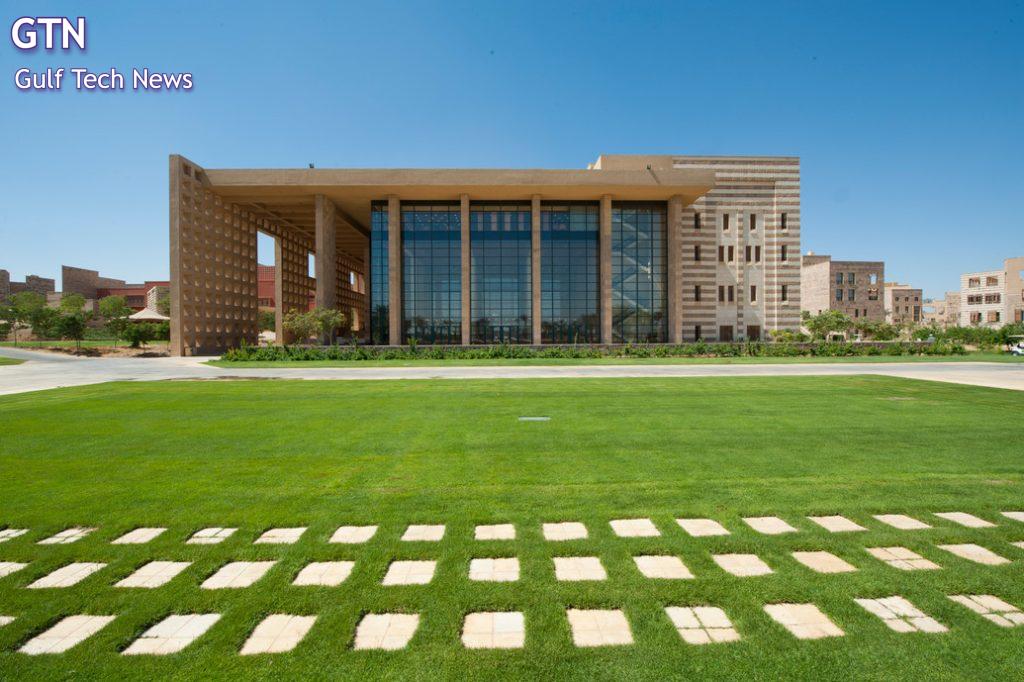
Beyond institutional commitments, AUC continues to apply sustainability best practices across its campus, academic programs, and research agenda. The University’s campus is widely recognized as a model for resource efficiency and has been acknowledged by the United Nations Environment Programme as a global example of low-carbon higher education—supported by energy-efficient systems, comprehensive recycling and waste-reduction programs, and the use of treated water to irrigate green spaces.
Academically, AUC has expanded sustainability-related majors and minors and offers a Master’s in Sustainable Development supported by a specialized center focused on applied research in climate, environment, and sustainability. Through its Climate Change Initiative, the University leverages research, education, and policy engagement to support mitigation and adaptation efforts, in line with its commitment to achieving carbon neutrality by 2050.
The Princeton Review determines each institution’s rating by analyzing data across 25 indicators, based on detailed surveys completed by university officials and student feedback on campus experiences, including levels of administrative and student support for environmental awareness and conservation efforts.

Rob Franek, Editor-in-Chief of The Princeton Review, noted that since the Green Colleges guide launched in 2010, the number of institutions committed to sustainability has grown significantly. He added that the universities featured in the 2026 edition are strongly recommended for students who want their college choice to reflect environmentally responsible values.
Franek also pointed to increasing interest in green colleges among applicants, citing The Princeton Review’s 2025 “College Hopes & Worries” survey, in which 59% of more than 7,000 respondents said that information about a college’s environmental commitment influences their decision to apply and enrol